
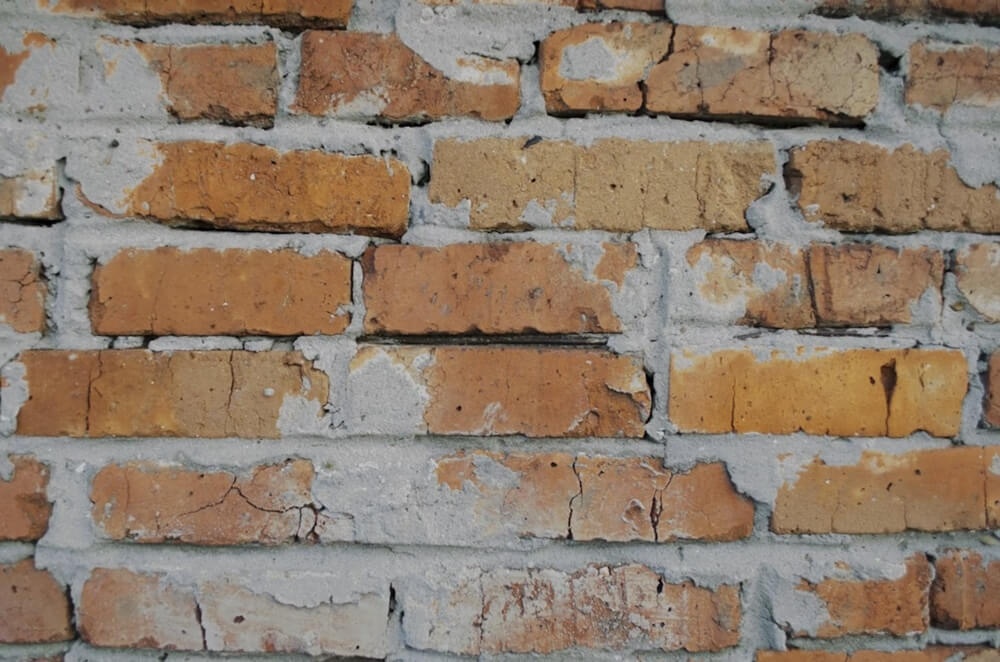
In many towns and cities across the UK, brick façades have been covered over time with different types of exterior render. In some cases, this was applied to protect the walls, while in others it was used to change the appearance of the building or to cover older brickwork repairs.
Today, however, more and more homeowners are choosing to reveal the original brickwork of their property. The natural look of exposed brick is once again appreciated, especially on traditional homes where it can add authentic character and greatly improve the appearance of the facade.
However, removing render is not always a simple process. Depending on the type of render, its age and the condition of the brickwork underneath, the work may require different methods and careful attention to avoid damaging the bricks.
In this article, we explain how render can be safely removed from brick walls, which methods are considered the safest, what issues may arise during the process, and what costs homeowners should expect when looking to expose the original brickwork.
What is render and why is it applied to brick?
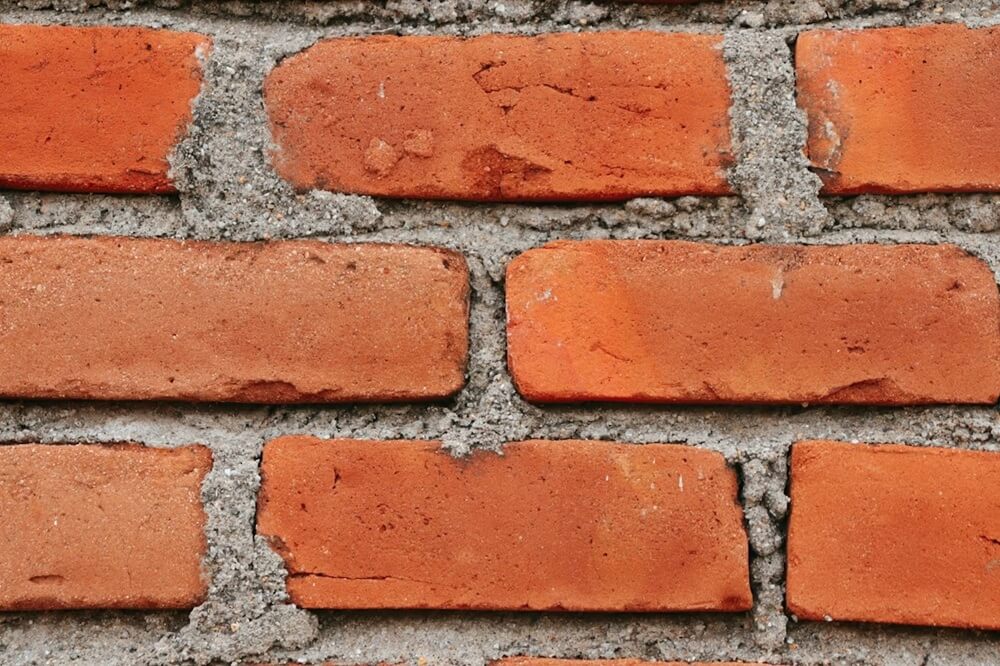
Render is a finishing layer applied to the exterior of buildings, commonly used on brick or masonry walls. In the UK, this type of coating has been used for decades both to protect façades and to improve the external appearance of homes.
Essentially, render acts as a protective layer over the masonry. Once applied, it creates a uniform surface that can be left as it is or painted in different colours.
Over time, homeowners have chosen to apply render for several reasons:
– Protection of the brickwork: the render layer helps shield the walls from rain, wind, frost and urban pollution.
– A more uniform facade: it is often used to cover damaged bricks, older repairs or colour differences across sections of the masonry.
– Improved weather resistance: when applied correctly, render can help reduce water penetration into the walls.
– Updating the appearance of the building: in many cases, homeowners preferred a smoother finish or a different colour compared to the original brick.
There are several types of render commonly used on buildings in the UK, each with different characteristics:
– Traditional sand and cement render
– Lime render, often used on older or historic buildings
– Modern systems such as acrylic or silicone render
– Monocouche render, a pre-coloured single-coat system
Although render provides protection and a more uniform appearance, it completely covers the natural texture and character of the brickwork. Over time, some types of render may begin to crack, detach or trap moisture, which is why more homeowners are considering removing it to reveal the original brickwork underneath.
Why render is removed from brick and when it is possible
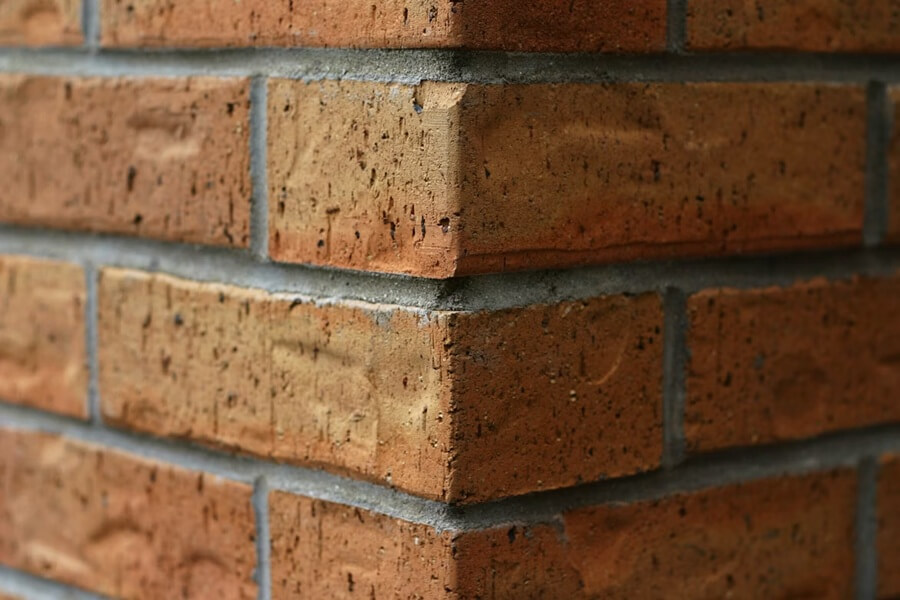
In many cases, homeowners decide to remove exterior render in order to reveal the original brickwork of the house. This is especially common with older properties in the UK, where exposed brick is valued for its authentic appearance and the character it gives to a building.
There are several reasons why render is removed:
– The natural look of brick: exposed brick provides a classic appearance and is particularly appreciated on traditional homes such as Victorian, Edwardian or Georgian properties.
– Damaged render: over time, render can crack, start to detach, or allow water to penetrate certain areas of the wall.
– Restoring older buildings: for historic properties, revealing the original brick can help bring back the building’s authentic look.
– Hidden issues beneath the render: in some cases, render may be covering deteriorated mortar, moisture problems or older repairs in the brickwork.
– Maintenance costs: repairing or replacing render can become costly over time, so some homeowners prefer to expose the brick and maintain it directly.
However, render cannot always be removed safely in every situation. Whether it is possible to return to exposed brickwork depends on several important factors.
Some of the most important include:
– The type of render applied: lime render is usually easier to remove than harder cement-based render.
– The age of the render layer: older render may sometimes come away more easily than modern systems applied in thick layers.
– The condition of the bricks underneath: if the brickwork is damaged or fragile, removing the render may reveal defects or areas that require repair.
– The thickness of the render layer: thicker layers often require more time and more careful methods to remove without damaging the brick.
– The tools and techniques used: using unsuitable methods can damage the surface of the bricks or the mortar between them.
For this reason, render removal is almost always preceded by a careful inspection of the brickwork. A specialist can assess whether the render can be safely removed and which methods are best suited to protect the original bricks.
Step-by-step render removal process
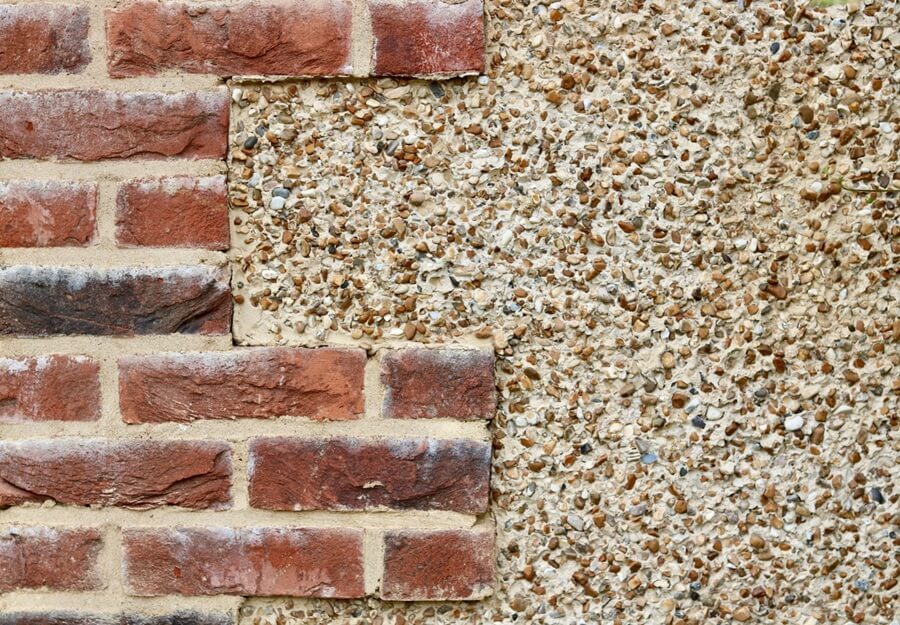
Removing exterior render from brickwork needs to be carried out carefully to avoid damaging the bricks or the mortar between them. In practice, the process usually follows a series of clear steps to ensure the work is completed safely and correctly.
1. Assessing the brickwork and the type of render
The first step is a careful inspection of the walls to understand exactly what type of render has been applied and the condition of the brickwork underneath.
At this stage, the following aspects are usually checked:
– the type of render applied
– the thickness of the render layer
– the condition of the bricks and mortar
– any signs of moisture or damage
This assessment helps determine the most suitable removal method and reduces the risk of damaging the brickwork.
2. Preparing the work area
Before the work begins, the area around the building is prepared to protect surrounding elements and allow the job to be carried out safely.
Typical preparation steps include:
– protecting windows and doors
– covering nearby areas such as patios, paths or garden spaces
– installing scaffolding if required
– using appropriate protective equipment
Proper preparation makes the process safer and more organised.
3. Removing the render layer
Once the area is prepared, the actual removal of the render can begin. The method used depends on the type of render and how firmly it is bonded to the brick surface.
Softer render can often be removed using hand tools such as chisels or scrapers. Harder cement-based render may require specialised mechanical tools. In all cases, the work is carried out carefully to avoid damaging the face of the bricks.
4. Cleaning the brick surface
After the main render layer has been removed, small residues may remain on the brick surface. These are typically removed using mechanical cleaning or washing methods suitable for the type of masonry.
The aim is to restore the brickwork as close as possible to its natural appearance without damaging the material.
5. Repairing the mortar if necessary
In some cases, once the render has been removed, areas may become visible where the mortar between the bricks is damaged or missing. When this happens, repointing may be required to restore both the stability and the appearance of the brickwork.
6. Finishing and protecting the brickwork
Finally, the brickwork is cleaned thoroughly to remove any remaining dust or debris. In some situations, a breathable protective treatment may be applied to help protect the bricks from moisture and environmental exposure.
When carried out correctly, this process allows the original brickwork to be revealed and restores the natural character of the building’s facade.
Tools and equipment commonly used
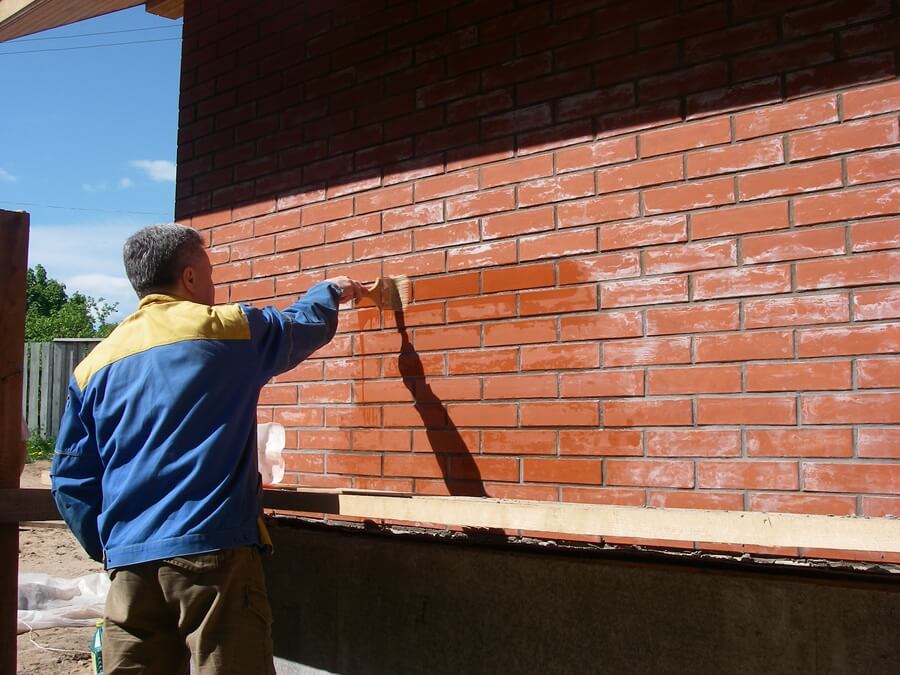
Removing exterior render from brickwork requires a combination of hand tools and professional equipment. Choosing the right tools is important, as aggressive methods can damage the surface of the bricks or the mortar between them.
Depending on the type of render and the condition of the brickwork, several types of equipment may be used.
Hand tools for controlled removal
In areas where the render is softer or where more precision is needed, hand tools are often used.
These typically include:
– Chisel and hammer: used to carefully remove sections of render without damaging the brick underneath.
– Specialised render scrapers: used to lift the render layer in more delicate areas.
These methods are slower but provide better control during the removal process.
Mechanical tools for harder render
When the render is very hard or applied in thick layers, electric tools may be required.
Commonly used tools include:
– SDS drills with chisel attachments: used to break away tougher cement-based render more efficiently.
– Angle grinders: sometimes used to cut or loosen material in difficult areas such as edges or corners.
These tools must be used carefully to avoid damaging the surface of the bricks.
Equipment for cleaning the brickwork
Once the render has been removed, the brick surface usually needs cleaning to remove any remaining residue.
At this stage, the following may be used:
– Wire brushes or specialist masonry brushes
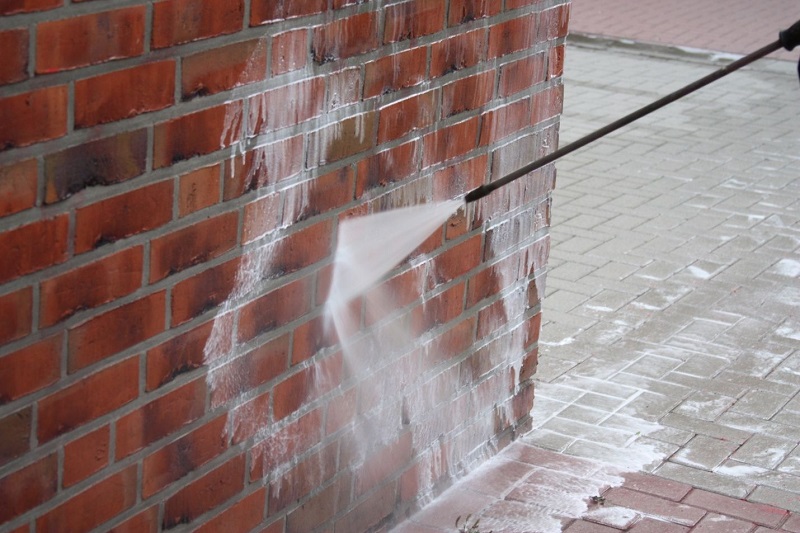
– Low-pressure washing equipment
– Steam cleaning methods for more delicate areas
The method chosen should always be suited to the type and condition of the brick.
Safety equipment
Render removal creates dust and fragments of material, so protective equipment is essential.
Commonly used items include:
– dust protection masks
– safety goggles
– gloves and suitable work clothing
When professional help is recommended
In some situations, removing render can be more complex than it first appears. Thick cement layers, fragile brickwork or older buildings may require more controlled methods to avoid damage.
In these cases, it is often best to use a specialist team with the right experience and equipment for exterior restoration work.
For example, in the Bristol area, Bristol Blast Away uses safe facade cleaning and restoration methods such as high-temperature DOFF steam cleaning and low-pressure soft wash systems, techniques designed to remove stains and build-up without damaging the surface.
These methods are particularly suitable for sensitive facades, historic buildings or properties where preserving the original materials is important.
Common issues that can occur during render removal
Removing render from brickwork is not always a straightforward process. Depending on the type of render, the condition of the walls and the methods used, a number of issues can arise that need to be handled carefully in order to protect the structure of the brickwork.
Below are some of the most common problems that can occur during render removal.
Damage to the face of the bricks
If render is removed using unsuitable tools or excessive force, the surface of the bricks can become scratched or chipped. This is more likely when aggressive mechanical tools are used or when the render layer is very firmly bonded to the wall. To avoid this risk, the process should be carried out gradually using controlled techniques and tools suitable for the material.
Deterioration of the mortar joints
In many cases, render adheres strongly to the joints between the bricks. During removal, older mortar can become loose or break away, which means the joints may need to be repaired afterwards. This stage, known as repointing, helps restore both the stability and the appearance of the brickwork.
Colour variations in the bricks
Once the render has been removed, homeowners may notice that some areas of the brickwork appear different in colour. This usually happens because parts of the wall have been exposed differently to moisture, air or sunlight over time. In many cases, professional cleaning or suitable brick treatments can help reduce these differences and improve the overall appearance.
Moisture trapped beneath the render
In some situations, render may trap moisture within the wall, especially if an impermeable layer was applied over older brickwork. Once the render is removed, damp areas or staining may become visible. In these cases, it is important to allow the brickwork to dry completely before applying any protective treatment.
Dust and debris during the work
Render removal inevitably creates dust and fragments of material. For this reason, the work area needs to be properly protected, and the job should be carried out using suitable protective equipment and dust control methods.
How much does render removal cost in the UK
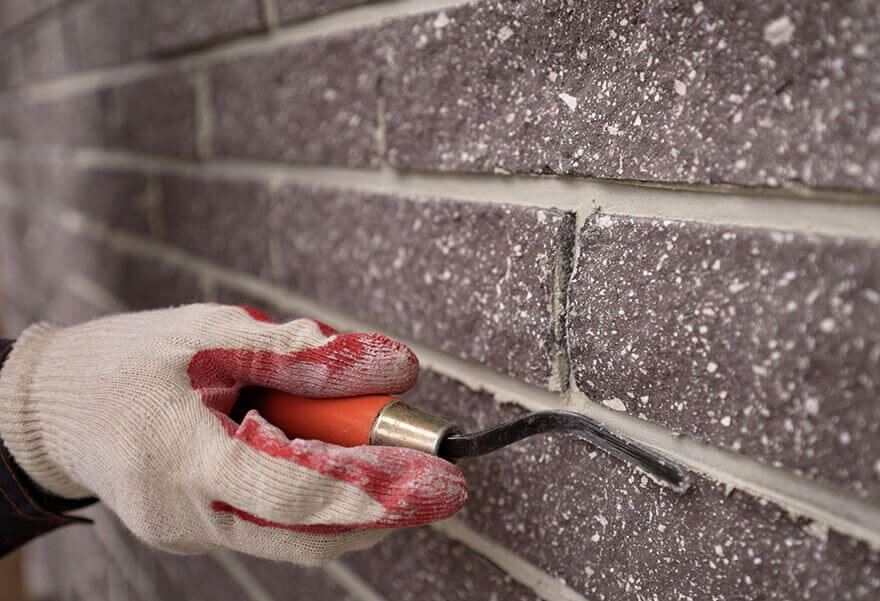
The cost of removing exterior render can vary from one property to another, as every building has different characteristics. The type of render applied, the condition of the brickwork underneath and access to the areas that need to be worked on can all significantly affect the complexity of the job.
For this reason, there is no fixed price that applies to every project. To provide an accurate estimate, the surface and the condition of the brickwork usually need to be assessed first.
If your property is in Bristol or the surrounding areas, the team at Bristol Blast Away can quickly assess the situation and provide a tailored quote based on the size of the surface, the type of render and the condition of the walls.
In many cases, the easiest way to find out the exact cost is to get in touch directly for a quick discussion or to arrange an assessment of the work.
📞 07478 605 150
📞 01173 637 312
Factors that influence the price
The type and hardness of the render
Some types of render, particularly cement-based ones, are more difficult to remove and may require more time and specialised equipment.
The condition of the brickwork underneath
If damaged bricks or deteriorated mortar are discovered once the render is removed, additional repair work may be needed.
Access to the areas being worked on
Tall buildings or hard-to-reach areas may require scaffolding or special equipment to ensure the work can be carried out safely.
The total surface area of the walls
Larger projects generally involve more time, labour and resources.
Removal and disposal of the material
The render that is removed must be properly collected and disposed of, which can also affect the duration and overall cost of the work.
How long does the process usually take
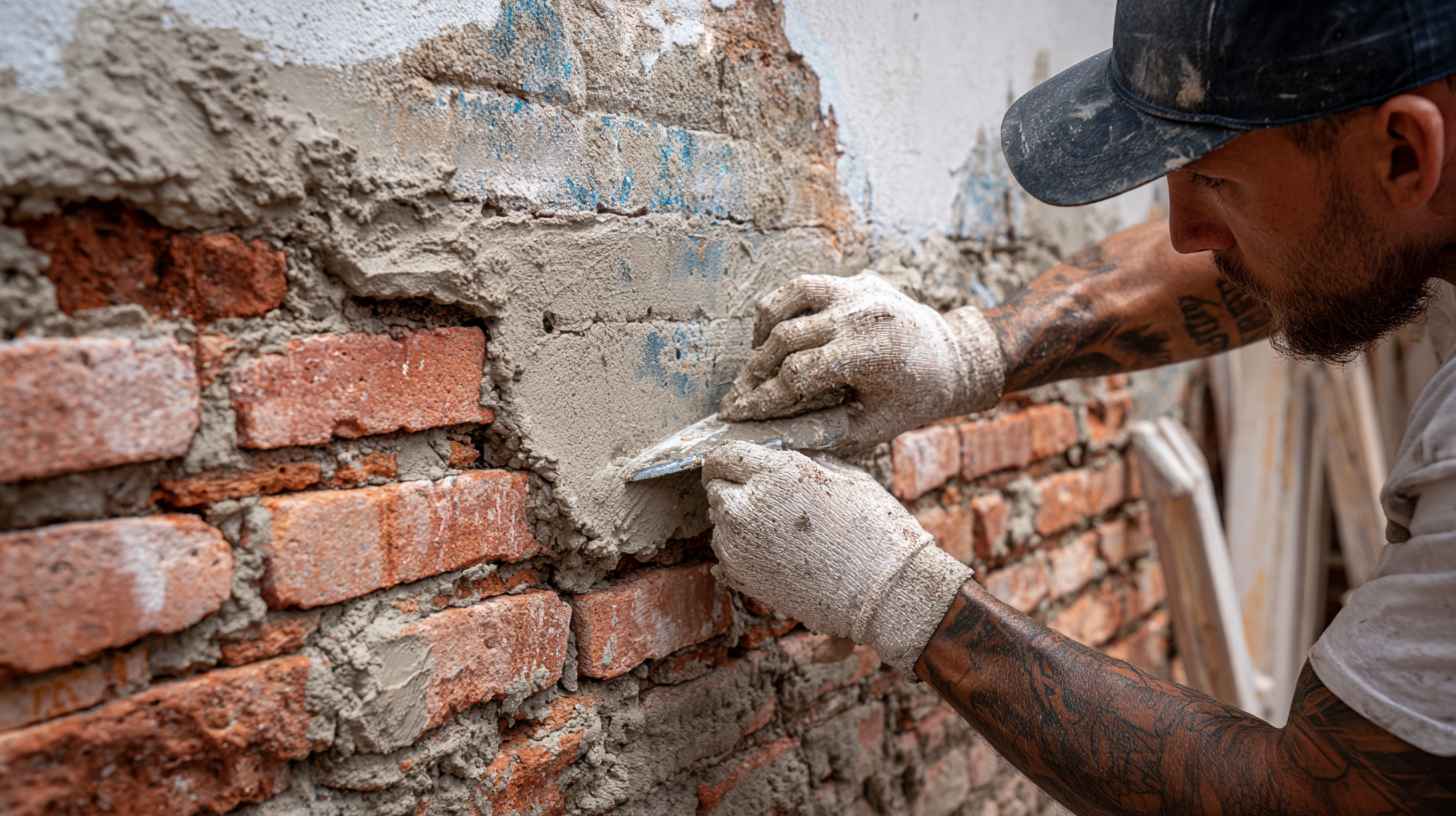
Render removal is a job that requires time and care, as the material needs to be removed gradually to avoid damaging the bricks. The exact duration of the work depends on the size of the building, the type of render and the condition of the brickwork underneath.
In most cases, residential projects typically fall within the following timeframes:
Terraced houses or smaller properties: generally between 2 and 4 days to remove the render from the main facades.
Semi-detached houses: usually around 4 to 7 days, depending on the wall surface area and the thickness of the render layer.
Detached houses or larger properties: may require 7 to 10 days, or sometimes longer if extensive surfaces are involved.
It is also important to remember that removing the render is only part of the process. Once the material has been removed, additional steps may be needed, such as:
– cleaning the brickwork
– repairing the mortar joints (repointing)
– allowing the brickwork to dry fully before applying any protective treatment
For this reason, the overall duration of the project can vary depending on the actual condition of the building.
Is it worth going back to the original brickwork?
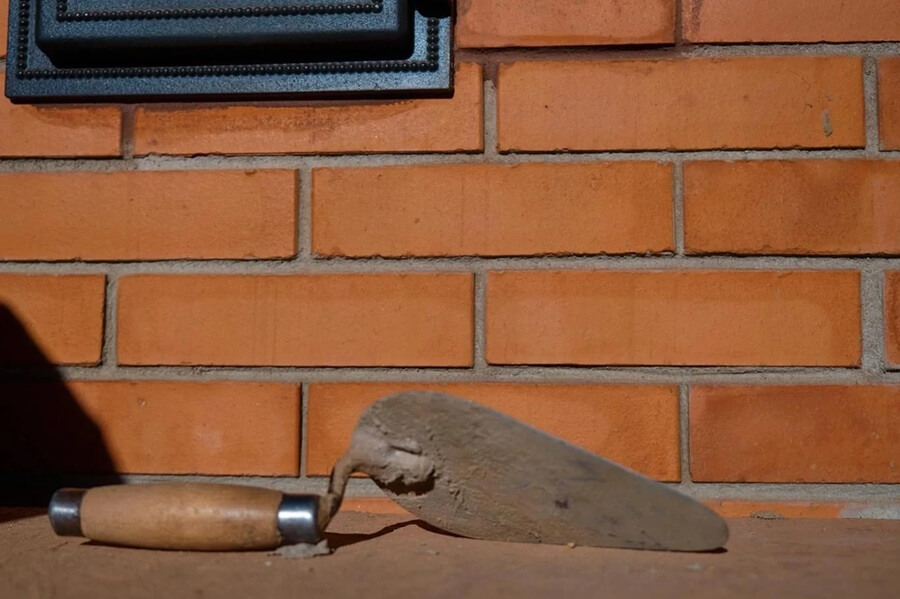
For many homeowners in the UK, revealing the original brickwork is an attractive option, particularly with traditional properties. However, the decision to remove render depends on several factors, such as the condition of the brickwork, the available budget and the desired final result.
In many cases, exposed brick can completely transform the appearance of a building, but it is important to understand both the advantages and the potential drawbacks of this process.
Advantages
There are several clear benefits when the original brickwork is exposed:
Authentic appearance of the building
Exposed brick offers a classic and natural look, especially appreciated on Victorian, Edwardian and Georgian properties.
Lower long-term maintenance
Brick facades do not require regular repainting, which can help reduce maintenance costs over time.
More breathable walls
In older buildings, removing render can allow the walls to release trapped moisture more easily.
Potential increase in property value
Properties that retain their original architectural features are often considered more attractive on the property market.
Disadvantages
At the same time, there are also a few aspects to consider before starting the work:
Initial cost of the project
Removing render can involve higher upfront costs, particularly if repairs to the brickwork are required.
Unknown condition of the bricks
In some cases, the bricks beneath the render may have defects or previous repairs that become visible once the layer is removed.
The process can be labour-intensive
Render removal takes time and can generate dust and debris during the work.
Maintenance of exposed brickwork
Once the brickwork is exposed, occasional cleaning or protective treatments may be needed to maintain the appearance of the facade.
In many situations, homeowners choose to return to the original brickwork to restore the authentic character of their property. However, before starting the work, it is recommended to have the brickwork assessed in order to understand exactly what the project may involve.
Tips for getting the best results
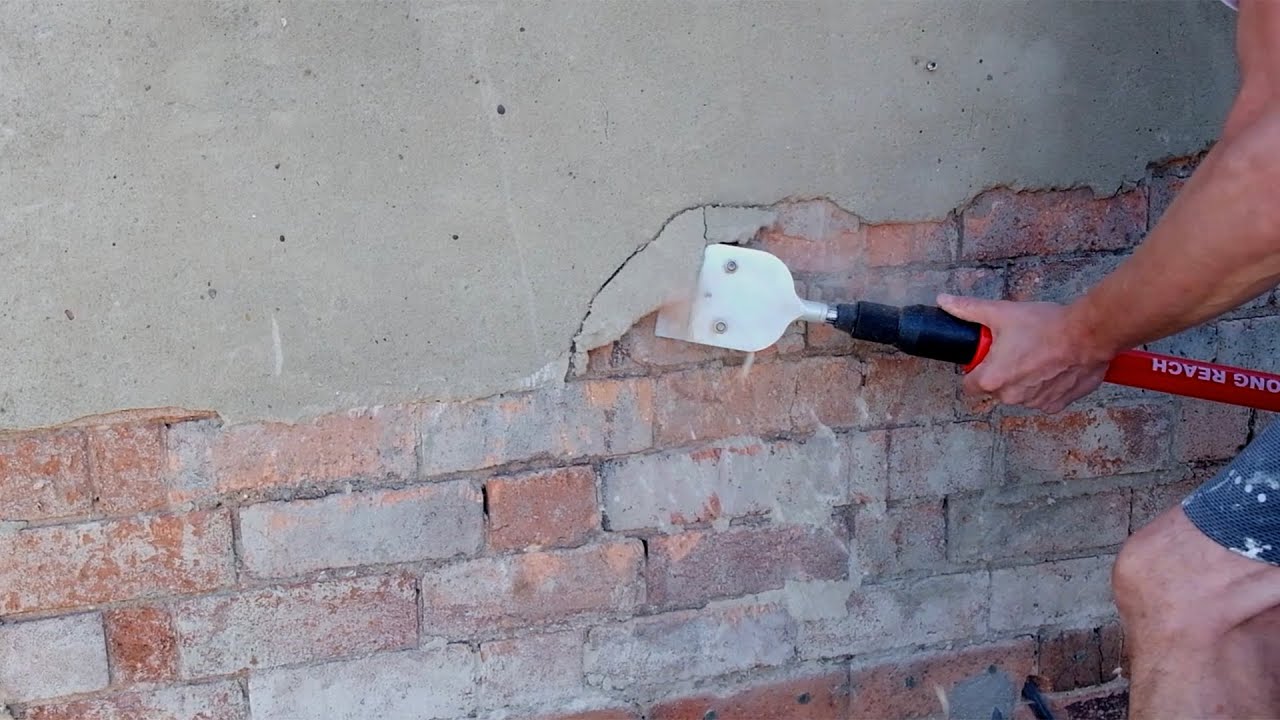
Removing render can completely change the appearance of a building, but the final result depends greatly on how the process is carried out. When the work is done carefully and the right methods are used, the original brickwork can be revealed without causing damage.
Here are a few important things to keep in mind if you want to achieve the best possible result.
Test a small area before starting
Before removing render from the entire wall, try working on a small section first.
This allows you to see how the material reacts and assess the condition of the bricks underneath. A small test area can give you a clearer idea of how easily the render can be removed.
Avoid overly aggressive methods
Very harsh methods can damage the surface of the bricks or the mortar joints between them. For example, aggressive sandblasting or very high pressure can affect the structure of the material. In most cases, more controlled and gentler techniques are much safer for brickwork.
Use the right tools for the type of render
The type of render applied to the wall has a major impact on the removal method. Some layers can be removed relatively easily with hand tools, while harder cement-based render may require specialised equipment. Using the right tools reduces the risk of damaging the bricks.
Allow the brickwork to dry fully
If the render has trapped moisture within the wall, it is important to allow the brickwork to dry completely after it has been removed. Applying treatments or finishes too quickly can prevent natural evaporation of moisture.
Repoint the joints if the mortar is damaged
After removing the render, you may notice areas where the mortar between the bricks is deteriorated or missing. In these cases, repointing the joints helps stabilise the brickwork and improves the overall appearance of the facade.
Protect the surrounding area
Render removal can produce a large amount of dust and fragments of material. It is important to protect windows, doors and nearby areas around the building to avoid unnecessary mess or damage.
Dispose of the removed material properly
Removed render can be heavy and often contains cement or other materials that need to be disposed of correctly. Proper waste handling is an important part of a well-managed project.
Environmental factors to consider
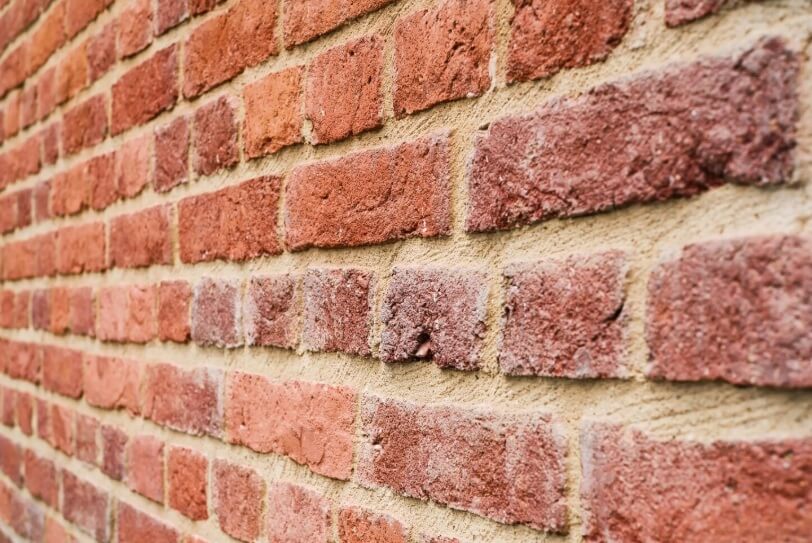
Render removal can generate a considerable amount of dust and debris, especially when the layer contains cement. For this reason, it is important to consider the environmental impact when planning this type of work.
To reduce the impact on the environment, it is worth keeping a few important aspects in mind:
Separate materials that can be recycled
Clean masonry or rubble can often be collected and disposed of properly at specialised recycling centres.
Avoid aggressive chemicals
Some cleaning solutions can affect soil, plants or nearby surfaces around the property.
Protect the area around the house
Covering nearby surfaces helps prevent the spread of dust and fragments of material.
Choose more environmentally friendly cleaning methods
Techniques such as steam cleaning or low-pressure methods are often safer for both the materials and the surrounding environment.
Think long-term
Exposing the original brickwork can reduce the need for repainting or reapplying render in the future, which means fewer materials being used over time.
Looking after your exposed brickwork
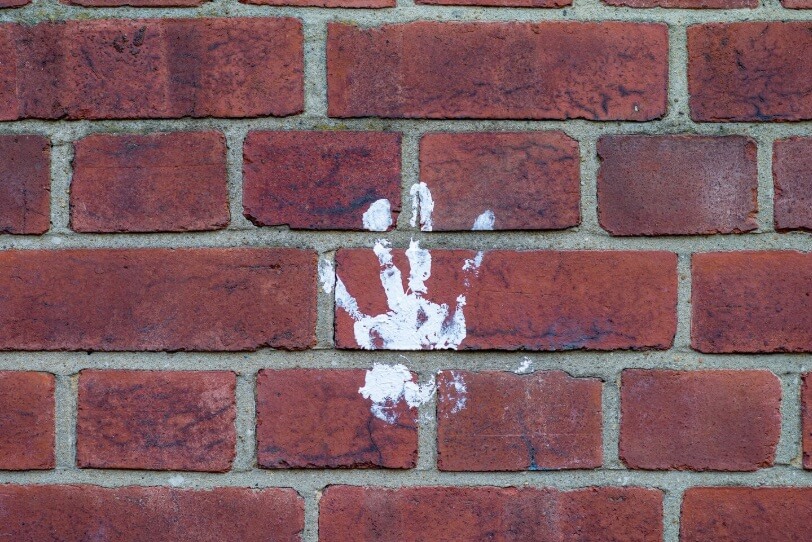
Once the render has been removed and the original brickwork exposed, proper maintenance becomes important to preserve its appearance and prevent issues such as moisture or mortar deterioration.
A few regular checks can help keep the façade in good condition for many years:
Check the mortar joints every few years to spot early signs of cracks or areas where the mortar may be starting to deteriorate.
Clean the surface of the bricks when necessary, as dust, pollution and organic build-up can affect the appearance of the brickwork over time.
Apply breathable protective treatments when needed, as these can help protect the bricks from moisture while still allowing the wall to breathe naturally.
Check gutters and downpipes regularly to make sure rainwater is draining properly and not running down the walls.
Avoid impermeable paints or sealants, as these can block the natural evaporation of moisture and may eventually lead to damage to the brickwork.
Helpful answers to common questions
If you’re thinking about removing render from your home, it’s natural to have a few questions. Below you’ll find answers to some of the most common questions about this process.
1. Will removing render damage my bricks?
In most cases, removing render should not damage the bricks if the process is carried out carefully and using the correct methods. Problems usually occur when aggressive tools or excessive pressure are used. For this reason, render removal should be done gradually, using techniques that protect the surface of the bricks.
2. What if the bricks look patchy after removal?
After the render has been removed, some areas of the bricks may appear different in colour. This usually happens because the bricks have been exposed differently to moisture, air or sunlight over time. In many cases, professional brick cleaning can help even out the appearance and improve the colour of the brickwork.
3. Is it possible to add insulation after the render has been removed?
Yes, in some situations it is possible to add insulation after the render has been removed. However, the solution depends on the structure of the building and the type of walls. Some properties allow for the installation of internal or external insulation systems, but it is recommended that this decision is made after the walls have been properly assessed.
4. How can you tell if the walls were previously rendered?
There are several signs that may suggest a building was previously rendered. For example, you may notice traces of mortar on the surface of the bricks, differences in colour or texture between areas of the brickwork, or small remnants of render within the mortar joints. In some cases, these signs are more visible in sheltered areas of the walls.
5. What are the long-term benefits of exposing the brickwork?
Exposing the original brickwork can offer several long-term benefits. The façade gains a more authentic and natural appearance, and in many cases maintenance becomes simpler as regular repainting of the render is no longer required. In older buildings, removing an impermeable layer can also allow the walls to breathe more easily and release trapped moisture.
Removing render can bring the original brickwork of a building back to life and completely transform the appearance of the façade. However, to achieve a good result, the process needs to be carried out carefully, using the right methods and appropriate equipment.
If you want to find out whether the render on your property can be safely removed or you need an assessment of your façade, the Bristol Blast Away team can help with a tailored quote and recommendations suited to your type of building.